




A Nursery That Grows With Love: Creating a Beautiful and Practical Space for Every Stage
Share
The Room We Thought Was Finished
We spent weeks preparing the nursery.
We chose warm colors.
We arranged furniture.
We folded tiny clothes.
We imagined quiet afternoons and the first days of family life.
When everything was finally in place, we stepped back and admired the room.
It felt complete.
Or so we thought.
A few months later, the room looked different.
The clothing drawer needed reorganizing.
Some products were no longer useful.
Our baby's interests were changing.
And the storage system we'd carefully designed needed adjusting.
That's when we understood something important.
A nursery isn't a finished project. It's a living space that grows alongside your child.
Chapter One: Starting With the Essentials
Before adding decorative details, we learned to think about the nursery's most important functions.
Where would the baby sleep safely?
Where would caregivers store everyday clothing?
How would changing and care supplies be organized?
Which products needed to remain inaccessible to children?
Would the furniture still work as the baby's mobility increased?
These questions helped us create a more practical room.
We discovered that thoughtful planning mattered more than filling every corner.
Designing Around Everyday Routines
A nursery can serve several purposes without becoming crowded.
The Sleep Area
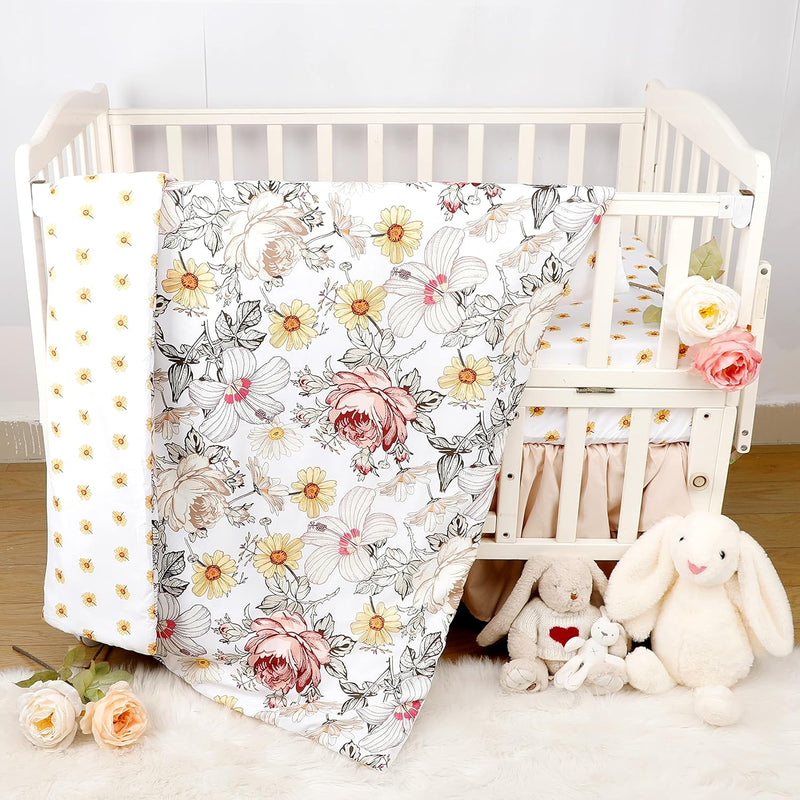
For infants, use a safety-compliant crib, bassinet, or play yard appropriate for sleep, with a firm, flat mattress and fitted sheet.
Keep pillows, loose blankets, toys, bumpers, and other soft objects out of the sleep space.
Place babies on their backs for sleep.
Follow current safe-sleep recommendations and the manufacturer's instructions.
The Changing Area
Keep necessary changing products organized for adult use.
Follow the changing surface's safety instructions, keep one hand on your baby when appropriate, and never leave a baby unattended on an elevated surface.
The Clothing Area
Organize clothing according to current size and frequency of use.
Keep outgrown pieces separate from everyday outfits.
The Storage Area
Use stable furniture and appropriate storage systems.
Anchor dressers, bookcases, and other tip-prone furniture according to safety guidance.
Keep cords, small objects, medicines, and hazardous products inaccessible.
Chapter Two: When the Room Began to Change
As our baby grew, we noticed that the nursery needed different things.
The earliest clothing sizes were packed away.
The products used most often began to change.
The room that had once centered around newborn care gradually needed more flexible organization.
We stopped thinking about the nursery as one permanent arrangement.
Instead, we began reviewing it regularly.
Did the furniture still suit the space?
Were frequently used items accessible?
Were any products no longer appropriate?
Did the room remain safe for our baby's current mobility?
The answers guided small changes.
Five Ideas for a Nursery That Can Evolve
1. Choose Practical Storage
Look for storage that can accommodate changing categories of items.
A drawer that once held newborn clothing might later hold larger outfits or everyday accessories.
2. Keep the Color Palette Flexible
Neutral colors can make it easier to update the room with small decorative changes.
Warm ivory, soft beige, muted sage, and natural wood tones can create a calm foundation.
3. Avoid Overfilling the Space
Leave room for movement, changing needs, and practical access to furniture.
4. Review Products as Your Baby Grows
A product suitable for one stage may no longer be appropriate later.
Check age guidance, weight limits, and manufacturer instructions.
5. Make Safety Part of the Design
Secure furniture, manage cords, and keep the sleep environment free of unnecessary items.
A beautiful nursery should also be a thoughtfully planned space.
The Difference Between Decorating and Designing
Decorating focuses on appearance.
Designing considers how a space functions.
A nursery can be beautiful without sacrificing practicality.
The most successful arrangements often combine:
-
Comfortable visual simplicity
-
Clear storage zones
-
Safe furniture placement
-
Accessible everyday supplies
-
Flexibility for changing routines
A well-designed nursery should make life easier for caregivers while remaining appropriate for the child.
What to Consider Before Buying Nursery Products
Dimensions: Will the product fit the room comfortably?
Stability: Can it be securely installed or anchored when necessary?
Care: Are cleaning instructions manageable?
Storage: Does it address a real organization need?
Longevity: Can it remain useful as routines change?
Safety: Does it meet applicable requirements and have clear instructions?
Avoid purchasing furniture or accessories based only on photographs.
Review the actual product details carefully.
The littlebean co Nursery Philosophy
At littlebean co, we love family spaces that feel warm, practical, and personal.
Our Nursery & Home collection is designed to help shoppers explore everyday organization and home essentials.
Discover products for organizing clothing, care supplies, and family spaces.
Choose items that suit your home's layout and your child's current needs.
The goal isn't to create a nursery that never changes.
It's to create one that can grow with your family.
Frequently Asked Questions
How can I design a small nursery?
Prioritize essential functions, choose appropriately sized furniture, and avoid unnecessary clutter.
Should I buy all nursery furniture before my baby arrives?
Focus first on safe sleep arrangements and essential care needs. Other purchases can be added as routines become clearer.
How often should I reorganize the nursery?
Review the space whenever your baby's mobility, clothing size, or daily routines change.
Is decorative bedding safe in a baby's crib?
Loose blankets, pillows, bumpers, and soft toys should not be placed in an infant's sleep space.
What is important when selecting nursery storage?
Consider dimensions, stability, safe placement, accessibility, and practical use.
A Room Filled With Growing Memories
One afternoon, we found an old newborn outfit at the back of the dresser.
It was impossibly small.
We held it for a moment and remembered the first days at home.
The nursery had changed since then.
Different clothing filled the drawers.
Different products occupied the shelves.
The room looked less like the one we'd originally imagined.
But it felt more meaningful.
Every change represented another chapter.
A nursery doesn't need to stay the same to remain beautiful. Sometimes its beauty comes from growing with the family who lives there.